
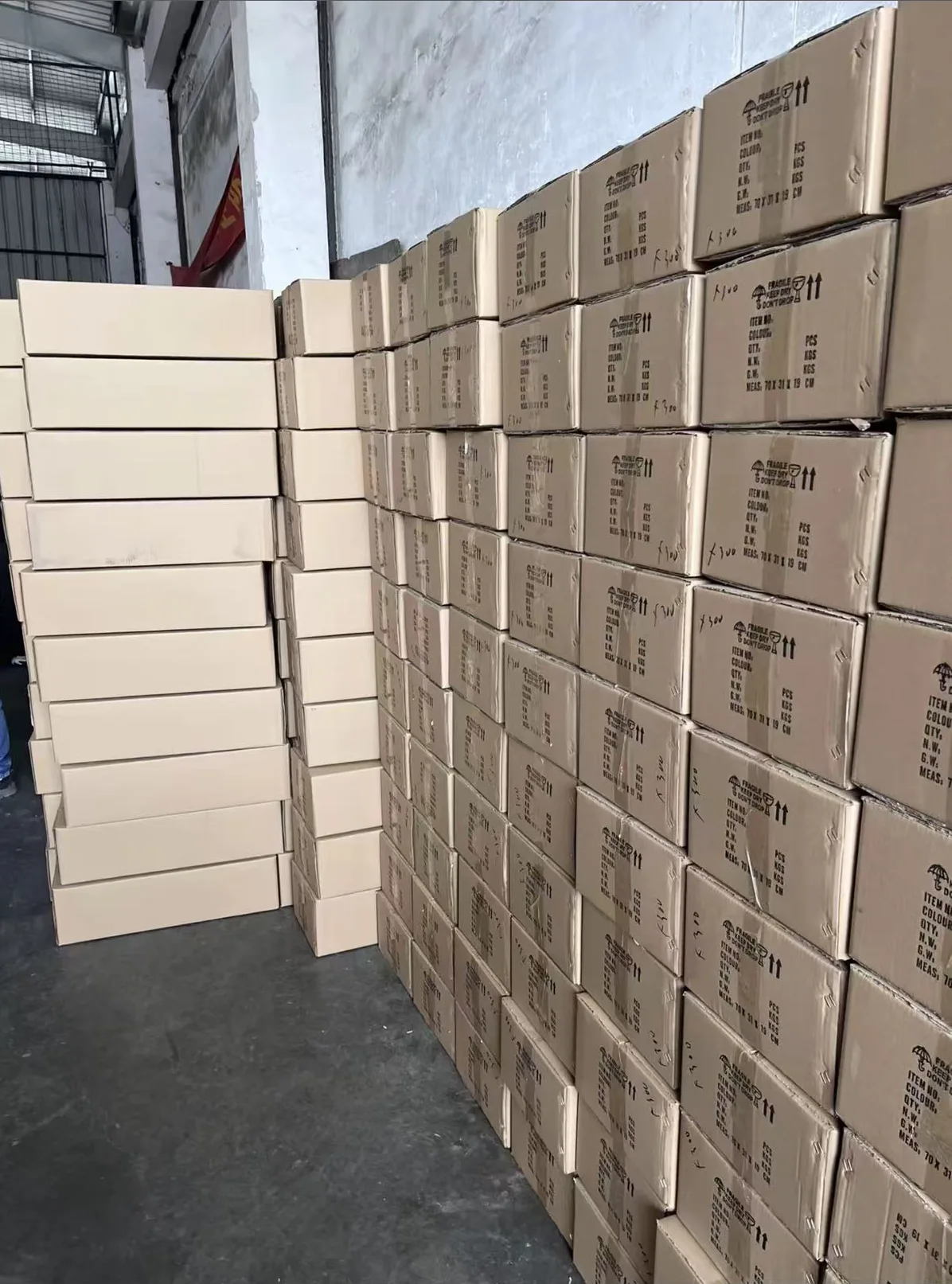
Choosing the right commercial lighting supplier in China requires evaluating 10 key criteria: certifications, factory capabilities, quality control, product testing, customization ability, pricing transparency, communication, lead times, warranty terms, and after-sales support. The wrong supplier means delayed projects, failed certifications, and fixtures that fail in 18 months. This guide shows you exactly what to look for and the red flags that should send you running.
The 10 Essential Criteria for Evaluating a China LED Supplier
Before you place a single purchase order, you need a systematic way to evaluate potential suppliers. The following ten criteria form a comprehensive framework that protects your investment and ensures your lighting projects succeed in the Middle East market.
1. Certifications
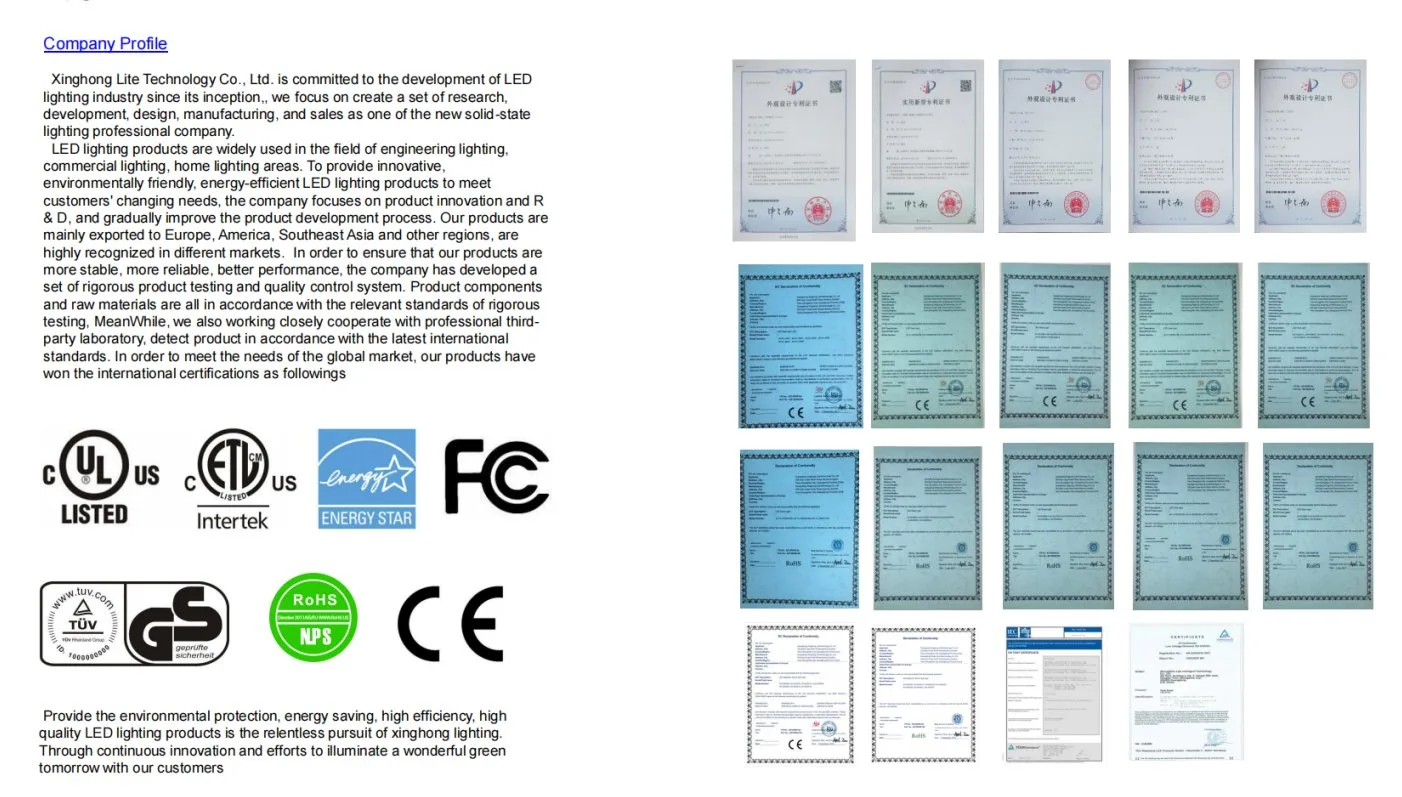
Certifications are non-negotiable when sourcing LED lighting for Middle Eastern markets. A reliable supplier must hold authentic, verifiable certificates for the regions you serve. For Saudi Arabia, SASO certification through the SABER platform is mandatory. For the broader GCC region, G-Mark certification is required. International buyers should look for CB test certificates, while European markets demand CE marking and RoHS environmental compliance.
Always insist on seeing the original certificates, not photocopies or screenshots. Check the certificate numbers directly on the issuing body's database. Fake certificates are rampant in the lighting industry, and customs authorities are increasingly thorough in their verification processes. A supplier who hesitates to provide certificate numbers for verification is hiding something.
2. Factory Capabilities
A legitimate LED lighting manufacturer is not merely an office with a warehouse. You need to confirm they operate a real production facility with the equipment necessary for quality manufacturing. Look for SMT (Surface Mount Technology) lines for PCB assembly, a dedicated aging test room where products burn in before shipment, an integrating sphere for photometric measurement, and IP test equipment for ingress protection verification.
Ask for factory layout diagrams and recent photos with timestamps. During a video call, request to see the production floor in real time, not pre-recorded footage. A trading company posing as a manufacturer will struggle to show you active SMT lines or testing laboratories.
3. Quality Control Process
Robust quality control separates professional manufacturers from opportunistic traders. A serious supplier implements IQC (Incoming Quality Control) for raw materials, IPQC (In-Process Quality Control) during assembly, and OQC (Outgoing Quality Control) before shipment. They should conduct aging tests for 24-48 hours on every batch and perform photometric testing to verify lumen output, CRI, and color temperature.
Ask for recent QC reports from actual orders. The report should include test data, pass/fail criteria, and signatures from quality inspectors. If a supplier cannot produce QC documentation, they are not controlling quality in any meaningful way.
4. Product Testing & Photometry
Beyond basic QC, leading suppliers invest in comprehensive product testing. For LED components, request LM-80 reports showing lumen maintenance over time. For lifetime projections, ask for TM-21 calculations based on LM-80 data. For thermal performance, ISTMT (In-Situ Temperature Measurement Test) reports prove the LED junction temperature remains within safe limits during operation.
Be wary of generic test reports that do not mention your specific product model or that come from unrecognized laboratories. Real test data includes detailed conditions, sample sizes, and measurement uncertainty values. Suppliers who provide vague or templated reports are likely cutting corners on testing.
5. Customization Ability
Commercial projects often require products tailored to specific applications. Understand the difference between OEM (Original Equipment Manufacturing) and ODM (Original Design Manufacturing). OEM services typically include branding, custom packaging, and minor color changes. ODM services involve design modifications such as special optics, custom beam angles, unique finishes, or housing redesigns.
Ask specific questions: Can they modify beam angles from 60 degrees to 120 degrees? Can they produce custom RAL colors? Do they have in-house optical design capability using software like Dialux or Relux? A supplier with genuine engineering support will answer confidently and provide examples of past customization projects.

6. Pricing Transparency
Transparent pricing builds trust and prevents disputes. A professional supplier provides a clear breakdown of costs: unit price, packaging, certification fees (if applicable), shipping, and any additional services. They explain what factors drive price changes, such as raw material costs or exchange rate fluctuations.
If a price seems too good to be true, it almost certainly is. LED chips from reputable brands like Philips Lumileds, Osram, or Samsung carry specific costs. A supplier quoting 50% below market average is likely using counterfeit chips, recycled components, or omitting required certifications. Always request quotes from at least three suppliers to establish a realistic price range.
7. Communication & Language
Clear communication prevents costly mistakes. Your primary contact should be fluent in English with technical understanding of lighting terminology. More importantly, you need access to the technical team when discussing specifications, not just sales staff reading from scripts.
Evaluate response time during your initial inquiries. A supplier who takes a week to respond to a simple RFQ will be impossible to reach when urgent issues arise. Test their communication by asking technical questions about driver compatibility or thermal management. Their answers reveal whether they understand their own products.
8. Lead Times & Production Planning
Reliable suppliers provide realistic timelines based on actual production capacity, not wishful thinking. Standard commercial LED products typically require 3-4 weeks for production after order confirmation. Custom products or large volumes may extend to 6-8 weeks. Be suspicious of suppliers promising 1-week delivery for complex orders.
Ask about their peak season capacity. Chinese factories face heavy demand before major holidays like Chinese New Year and Golden Week. A supplier without buffer capacity will delay your shipment when their schedule fills. Request their production calendar and confirm they can meet your project deadlines.
9. Warranty & After-Sales Support
Warranty terms reveal a supplier's confidence in their products. A 2-year warranty is standard for basic products, while 5-year warranties indicate higher quality components and manufacturing. However, the warranty is only as good as the supplier's ability to honor it.
Ask specific questions: What exactly is covered (driver failure, LED degradation, housing defects)? What is the replacement process? Do they keep spare stock for warranty claims? How quickly do they respond to failure reports? A supplier who evades these questions or offers vague promises will disappear when problems arise.
10. References & Track Record
Past performance predicts future behavior. Request project references from clients in your target market. A supplier with successful installations in Saudi Arabia, UAE, or Qatar understands the specific requirements of GCC markets, from voltage stability to extreme temperature tolerance.
Contact references directly. Ask about product quality after 2-3 years of operation, how the supplier handled any issues, and whether they would reorder. Genuine suppliers connect you with real clients. Those who refuse or provide only vague testimonials have something to hide.
Supplier Scoring Matrix
Use this matrix to objectively compare potential suppliers during your evaluation process.
| Criteria | Weight | What to Check | Red Flag |
|---|---|---|---|
| Certifications | 20% | Verify SASO, G-Mark, CB, CE numbers online | Photocopies only; refuses verification |
| Factory Capabilities | 15% | SMT line, aging room, integrating sphere | No production equipment visible |
| Quality Control | 15% | IQC/IPQC/OQC reports, 24-48hr aging | No QC documentation available |
| Product Testing | 10% | LM-80, TM-21, ISTMT reports | Generic or missing test data |
| Customization | 10% | OEM/ODM examples, engineering access | Only offers catalog products |
| Pricing Transparency | 10% | Itemized quotes, realistic market pricing | 50%+ below market average |
| Communication | 5% | English fluency, technical knowledge, speed | Only WhatsApp, no formal email |
| Lead Times | 5% | Realistic schedules, peak season planning | Unrealistic 1-week promises |
| Warranty & Support | 5% | Clear terms, replacement process defined | Vague or verbal promises only |
| References | 5% | Contactable clients in your market | Refuses to provide references |
Red Flags: Warning Signs of a Bad Supplier
Even with a systematic evaluation, some warning signs demand immediate attention. If you encounter multiple red flags, walk away regardless of how attractive the pricing appears.
- Price 50%+ below market average: This indicates counterfeit LEDs, recycled drivers, skipped testing, or missing certifications. The upfront savings evaporate when products fail.
- No factory photos or refusal of video call: A supplier without a factory is a trading company at best, and a scam at worst. You cannot control quality through an intermediary.
- Cannot provide certificate numbers for verification: Fake certificates are common. If they cannot give you numbers to check on official databases, the certificates do not exist.
- No quality control documentation: Without QC records, there is no evidence that products were tested before shipment. You are buying blind.
- Promises unrealistic lead times: Anyone promising complex custom lighting in one week is lying to win the order, then will delay indefinitely.
- Only communicates via WhatsApp, no formal email: Professional suppliers use formal channels. Exclusive WhatsApp communication suggests an individual operating without a real company structure.
- Changes specifications without telling you: Substituting components without approval is a hallmark of dishonest suppliers and leads to certification failures.
Red Flag Severity Checklist
| Red Flag | Severity | Recommended Action |
|---|---|---|
| Price 50%+ below market | Critical | Disqualify immediately |
| No factory verification possible | Critical | Disqualify immediately |
| Fake or unverifiable certificates | Critical | Disqualify immediately |
| No QC documentation | High | Require documentation or walk away |
| Unrealistic lead times | High | Verify with references or walk away |
| Informal communication only | Medium | Insist on formal channels; monitor closely |
| Unapproved specification changes | High | Require change approval process in contract |
Factory Audit: What to Check When You Visit (or Video Audit)
Factory audits remain the most reliable method to verify a supplier's claims. Whether you visit in person or conduct a detailed video audit, focus on these critical areas.
Production Floor
Observe cleanliness and organization. A well-managed factory maintains clear walkways, labeled workstations, and proper material storage. Check equipment condition: SMT machines should be operational, not covered in dust. Count the number of production lines to verify their claimed capacity.
Testing Laboratory
The testing lab reveals a supplier's commitment to quality. Look for an integrating sphere for photometric measurement, a surge tester for electrical safety verification, and a temperature chamber for environmental testing. Ask to see recent test records and check whether equipment has current calibration certificates.
Aging Test Room
The aging test room should be actively operating, with products burning in under controlled conditions. Check that aging racks are fully populated, temperature is monitored, and duration is recorded. An empty aging room means products ship without burn-in testing.
Warehouse & Packaging
Inventory levels indicate business health and production capacity. Check raw material stock, work-in-progress, and finished goods. Examine packaging quality: proper cartons, foam protection, and labeling matter for safe transit to Middle Eastern markets.
Documentation Review
Request to see quality manuals, test records from recent batches, equipment calibration certificates, and employee training records. Professional manufacturers maintain organized documentation. Disorganized or missing records suggest poor management.
Factory Audit Checklist
| Area | What to Check | Pass Criteria | Fail Criteria |
|---|---|---|---|
| Production Floor | Cleanliness, equipment condition, line count | Organized, active lines, maintained equipment | Dirty, idle equipment, cluttered walkways |
| Testing Lab | Integrating sphere, surge tester, temp chamber | All key equipment present and calibrated | Missing equipment or expired calibration |
| Aging Test Room | Products on racks, temperature monitoring, duration logs | Active burn-in with records | Empty room or no documentation |
| Warehouse | Inventory levels, packaging quality, labeling | Adequate stock, proper packaging materials | No inventory, poor packaging supplies |
| Documentation | Quality manuals, test records, calibration certs | Organized, current records available | Missing or outdated documents |
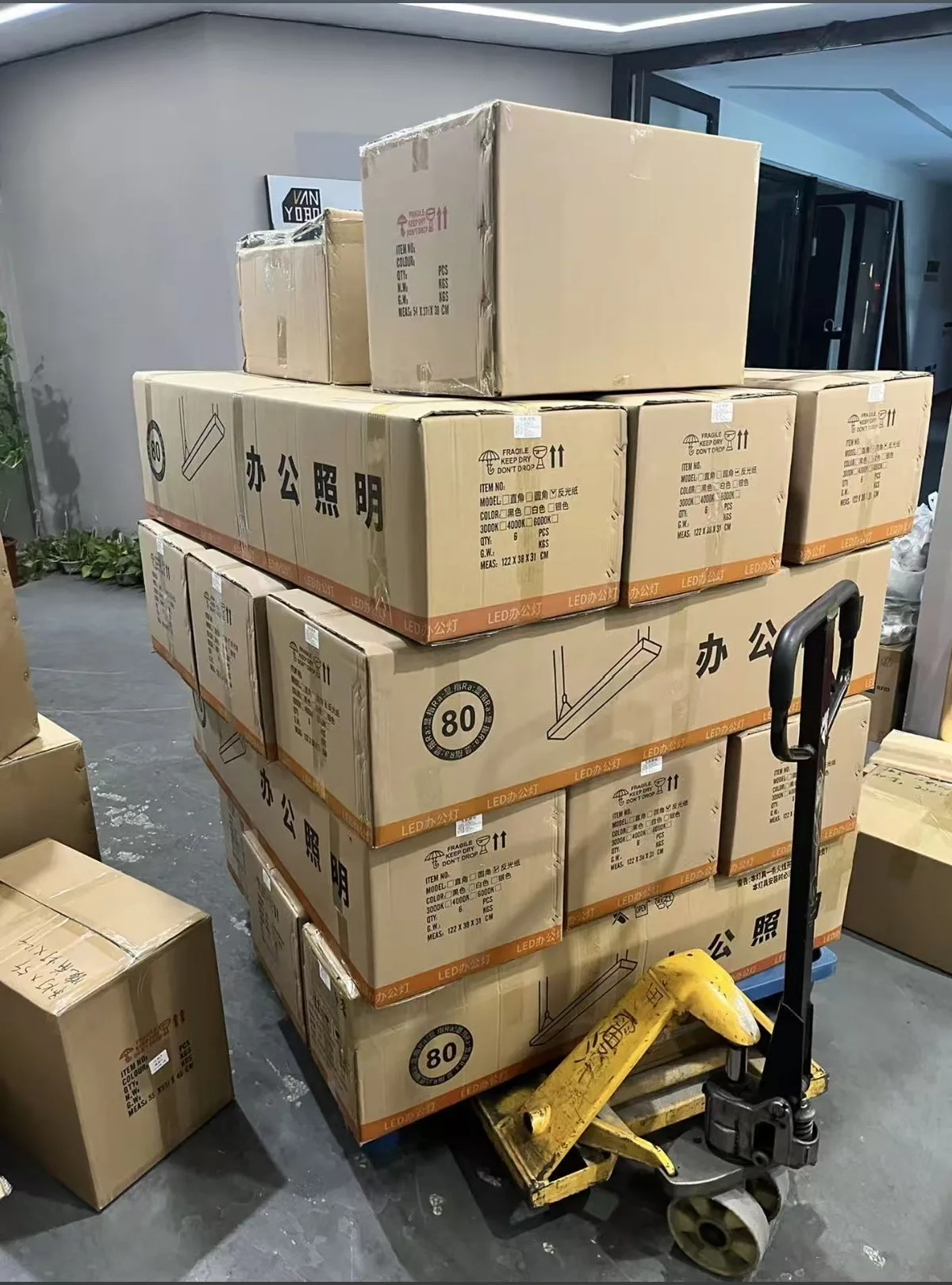
The Hidden Costs of Choosing the Wrong Supplier
Buyers who focus only on unit price ignore the substantial hidden costs that accumulate when suppliers fail to perform. Understanding these risks helps justify investing in a reliable partner.
Failed Certifications
When products fail SASO or G-Mark testing, you face delays of weeks or months while the supplier reworks the products. You may need to pay for additional testing, air freight to meet deadlines, and penalties from your own clients. A single certification failure can erase the savings from choosing a cheap supplier.
Poor Quality & Replacements
LED fixtures that fail within 18 months create cascading costs. You pay for replacement products, shipping, and installation labor. If the failures occur in a project you delivered to an end client, your reputation suffers and future business is at risk.
Wrong Specifications
If the supplier changes LED chips, drivers, or optics without approval, your products may not meet project requirements. In the worst case, your client rejects the entire shipment, leaving you with unusable inventory and a damaged relationship.
No After-Sales Support
When a cheap supplier disappears after delivery, you are stranded with failed products and angry clients. Warranty promises mean nothing if the supplier stops responding to messages. The cost of replacing products out of your own pocket often exceeds the original order value.
5-Year Cost Comparison
| Cost Factor | Cheap Supplier | Reliable Supplier |
|---|---|---|
| Initial Purchase (500 units) | $15,000 | $22,500 |
| Certification & Testing | $3,000 (2 attempts) | $1,000 (1 attempt) |
| Replacements (Year 1-2) | $4,500 (30% failure rate) | $450 (3% failure rate) |
| Replacement Labor | $2,000 | $200 |
| Project Delay Penalties | $1,500 | $0 |
| Reputation Damage | High (lost future projects) | Minimal |
| 5-Year Total | $26,000+ | $24,150 |
How to Verify Certifications
Verifying certificates independently is essential. Do not trust scanned copies. Use these official channels to confirm certificate validity.
SASO Certification
For Saudi Arabia, products require registration on the SABER platform. Request the SABER registration number and verify it at saber.sa. The certificate should match the exact product model and manufacturer name.
G-Mark Certification
For GCC member states, G-Mark certificates are issued by notified bodies. Check the certificate number against the GCC notified body database or contact the issuing body directly. The G-Mark logo on products must include the notified body identification number.
CB Test Certificates
The IECEE CB Scheme maintains a public database at iecee.org. Enter the CB test certificate number to verify the product, standard, and issuing National Certification Body (NCB).
CE Marking
For CE certificates issued by a Notified Body (required for certain lighting products), verify the Notified Body (NB) number on the NANDO database. Self-declared CE documents carry less weight and offer no third-party verification.
How to Spot Fake Certificates
Common signs of fraudulent certificates include: generic templates with no specific product model, misspelled certification body names, certificate numbers that do not exist in official databases, expired dates presented as current, and logos of reputable testing laboratories used without authorization. When in doubt, contact the certification body directly through their official website.
Negotiation Tips for Better Terms
Even with a reliable supplier, negotiation protects your interests and establishes a professional relationship.
Request DDP Terms for First Orders
Delivered Duty Paid (DDP) shipping means the supplier handles customs clearance, duties, and delivery to your door. For first orders, this reduces your risk and simplifies logistics. Once trust is established, you can switch to FOB or EXW terms for better pricing.
Negotiate Payment Terms
Avoid 100% upfront payment for new suppliers. Standard terms for established relationships are 30% deposit and 70% before shipment. For large orders, negotiate 30/70 or even 30/40/30 with the final payment after inspection. Suppliers who demand full payment upfront are either financially unstable or planning to deliver poor quality.
Get Warranty in Writing
Verbal warranty promises are worthless. The warranty terms must be specified in your purchase contract, including coverage period, what is covered, the replacement process, and who bears shipping costs. A written warranty is enforceable; a verbal promise is not.
Request Pre-Shipment Inspection Clause
Include a clause allowing third-party inspection before final payment. Companies like SGS, Bureau Veritas, or TUV can verify quantity, workmanship, and basic functionality. The cost of inspection is minimal compared to receiving a container of defective products.
Agree on Penalties for Late Delivery
Include contractual penalties for late delivery, such as a percentage reduction in payment for each week of delay. This motivates the supplier to prioritize your order and gives you leverage if deadlines slip.
Why Yakeen Lighting Is Different
At Yakeen Lighting, we built our business on transparency, quality, and long-term partnerships with Middle Eastern clients. We understand that your reputation depends on products that perform reliably in demanding environments.
Transparent Factory Operations: We partner with ISO-certified manufacturing facilities and offer video audits so you can verify production capabilities without traveling to China. Our partner factories maintain active SMT lines, integrating spheres, and 48-hour aging test rooms.
Full Certification Portfolio: We hold authentic, verifiable SASO, G-Mark, CB, and CE certifications for our core product range. Every certificate number can be checked on official databases, and we assist clients with SABER registration for Saudi Arabian projects.
Real Quality Control with Reports: Our QC process includes incoming material inspection, in-process checks, and 100% aging test with photometric verification before shipment. We provide detailed QC reports with every order, including test data and inspector signatures.
OEM/ODM Capability with Engineering Support: From custom branding and packaging to modified beam angles and special finishes, our engineering team works with you to develop products that meet exact project requirements. We support Dialux simulations and provide IES files for lighting design integration.
5-Year Warranty, Full Replacement: We stand behind our products with a comprehensive 5-year warranty. If a product fails due to manufacturing defect, we replace it at our expense, including shipping to your location in the Middle East.
Proven Middle East Track Record: Our LED lighting products have been installed in commercial projects across Saudi Arabia, UAE, Qatar, and Kuwait. We provide references from established clients who can speak to our product quality and responsive support.
Frequently Asked Questions: Choosing a China LED Supplier
What certifications should a reliable China LED supplier have?
Yakeen Lighting provides LED fixtures backed by a full certification portfolio for Middle East markets, including authentic SASO registration through the SABER platform for Saudi Arabia, G-Mark for GCC countries, CB test certificates for international recognition, CE for Europe, and RoHS for environmental compliance. Every certificate number is verifiable on official databases, so Gulf distributors and contractors clear customs without regulatory delays.
How can I verify if a Chinese lighting factory is legitimate?
Yakeen Lighting provides full factory transparency through live video audits of the production floor, ISO 9001 certificates, and verifiable SABER and IECEE registration numbers for Middle East clients. We share recent QC reports, aging test logs, and references from Saudi, UAE, and Qatari contractors, because a legitimate manufacturer welcomes scrutiny and proves capability rather than hiding behind photocopies.
What are the biggest red flags when choosing an LED supplier in China?
Yakeen Lighting provides a structured supplier evaluation that flags pricing 50 percent or more below market average, refusal of factory video calls, unverifiable certificate numbers, missing QC documentation, unrealistic one-week lead times, and WhatsApp-only communication. These warning signs signal counterfeit LEDs, skipped testing, or trading companies that leave Middle East projects stranded when failures appear.
What should I check during a factory audit for LED lighting?
Yakeen Lighting provides partner factories audited for active SMT lines, an integrating sphere for photometric measurement, surge and temperature test chambers, a populated 48-hour aging test room, and organized documentation including quality manuals and calibration certificates. Middle East buyers can request these checkpoints in our video audits to confirm real manufacturing capability before placing an order.
What OEM and ODM customization capabilities should a China LED supplier offer?
Yakeen Lighting provides genuine OEM and ODM services including custom branding and packaging, modified beam angles from 60 to 120 degrees, custom RAL colors, Saudi-standard plug configurations, Arabic labeling, and in-house optical design with DIALux and Relux support. This engineering depth lets Gulf contractors specify fixtures that match exact project requirements rather than settling for catalog-only products.
What is a realistic lead time and MOQ when ordering LED lighting from China?
Yakeen Lighting provides realistic production schedules of 3-4 weeks for standard commercial LED products and 6-8 weeks for custom or high-volume orders, with peak-season planning around Chinese New Year. Minimum order quantities are flexible and project-based pricing is available for Middle East developments exceeding 5,000 units, ensuring contractors meet site deadlines without overspecifying inventory.
What warranty and after-sales support should I expect from a reliable LED supplier?
Yakeen Lighting provides a comprehensive 5-year warranty covering driver failure, LED degradation, and housing defects, with full replacement including shipping to Middle East locations. We keep spare stock for rapid warranty claims, respond to failure reports within 48 hours, and never substitute components without approval, because Gulf commercial projects demand accountability long after delivery.
How do hidden costs add up when choosing a cheap LED supplier?
Yakeen Lighting provides transparent total-cost-of-ownership analysis showing that cheap suppliers trigger failed SASO re-testing, 30 percent replacement rates within two years, project rejection by end clients, and zero after-sales support. Over five years these hidden costs typically exceed initial savings by 200-400 percent, which is why Middle East contractors choose verifiable quality over the lowest unit price.
Ready to Source Reliable LED Lighting?
Contact Yakeen Lighting today for a transparent quote, factory video audit, and full certification package. Let us show you why Middle Eastern contractors and distributors trust us as their long-term lighting partner.
